
















Dental implants have become one of the most reliable and long-lasting solutions for missing teeth. They look natural, restore chewing ability, and help maintain jawbone health. However, many patients still ask an important question before choosing this treatment: Are dental implants safe?
The simple answer is yes—dental implants are safe and highly successful when placed by experienced professionals and maintained properly. Like any medical or dental procedure, implants may have potential risks, but most complications are preventable with proper planning, care, and follow-up. At Artistree Dental Clinic, patient safety and long-term success are always the top priority.
This blog explains the safety of dental implants, common dental implant problems, their causes, and practical prevention tips you should know.
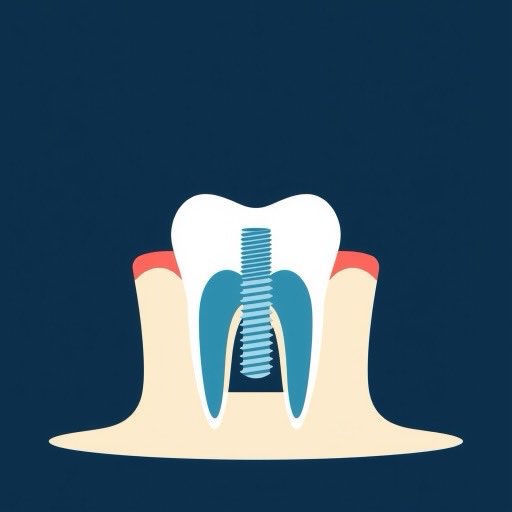
Dental implants are artificial tooth roots, usually made of medical-grade titanium, that are surgically placed into the jawbone. Over time, the implant fuses with the bone through a process called osseointegration, providing a strong foundation for a crown, bridge, or denture.
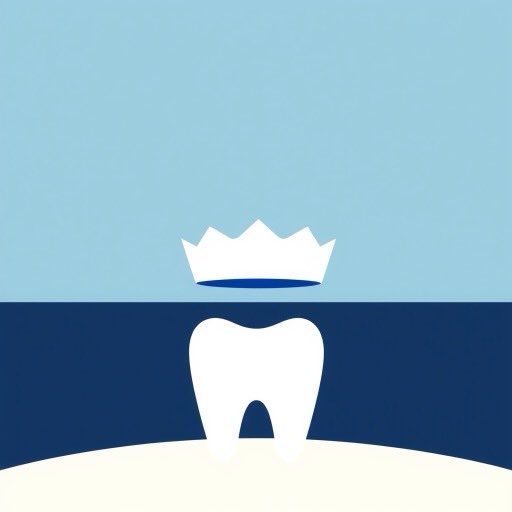
A complete dental implant consists of:
Dental implants are designed to function like natural teeth and, with proper care, can last for many years.
Dental implants have a success rate of 95–98%, making them one of the safest and most predictable dental procedures available today. Their safety depends on several key factors:
At Artistree Dental Clinic, implant procedures are planned using modern technology and evidence-based protocols to minimize risks and improve long-term outcomes.
While dental implants are safe, some patients may experience complications. Knowing these issues early helps in prevention and timely treatment.
This is an infection of the gum and bone around the implant, often caused by poor oral hygiene.
Symptoms: Swelling, bleeding gums, pain, bad breath, or implant mobility.
Implants may fail if they do not properly fuse with the bone.
Common reasons: Poor bone quality, excessive biting force, or premature loading.
Improper implant placement in the lower jaw can irritate nearby nerves.
Symptoms: Tingling, numbness, or pain in the lips, chin, or tongue.
Upper jaw implants placed too close to the sinus cavity may cause sinus discomfort or infection.
Receding gums can expose the implant and affect both appearance and stability.
Most dental implant problems occur due to avoidable risk factors, such as:
This is why careful case selection and patient education are essential parts of implant treatment at Artistree Dental Clinic.
Proper planning significantly reduces the risk of complications.
Following post-operative instructions provided by Artistree Dental Clinic helps ensure successful healing and implant longevity.
At Artistree Dental Clinic, patient safety is ensured through:
Every implant case is approached with precision, care, and a long-term success mindset.
Contact your dentist immediately if you experience:
Early intervention can prevent minor issues from becoming serious complications.
Dental implants are a safe, effective, and long-term solution for missing teeth when performed correctly and maintained properly. While complications can occur, most dental implant problems are preventable with expert care, good oral hygiene, and regular dental visits.
If you are considering dental implants and want reliable, safe treatment, consult the experts at Artistree Dental Clinic for a thorough evaluation and personalized care plan.
Are dental implants painful?
Most patients experience minimal discomfort, managed easily with medication.
How long do dental implants last?
With proper care, implants can last 15–25 years or longer.
Can dental implants fail after years?
Yes, but late failure is rare and usually linked to poor oral hygiene or smoking.
Are dental implants safe for older adults?
Yes. Age is not a limitation if overall health and bone condition are suitable.