
















Artistree Dental and Cosmetic Clinic

Hole in Tooth but No Pain? Causes, Warning Signs & Treatment Options

Hole in Tooth but No Pain

Have you noticed a small hole in your tooth but no pain at all? Many people ignore this problem because it doesn’t hurt in the beginning. However, a painless cavity can still be a sign of tooth decay and may become serious if left untreated.

At Artistree Dental Clinic, we often see patients who delay treatment simply because they don’t feel discomfort initially. Unfortunately, by the time pain starts, the cavity may already be deep enough to require more extensive dental treatment.

In this blog, we’ll explain the causes, warning signs, risks, and treatment options for a hole in the tooth with no pain.

What Does a Hole in the Tooth Without Pain Mean?

A hole in your tooth usually indicates some level of tooth damage or decay. In many cases, the cavity is still in its early stage and hasn’t reached the sensitive inner layers of the tooth yet.

This condition is commonly associated with:

  • Early tooth decay
  • Enamel erosion
  • Minor tooth damage
  • Hidden cavities beneath the surface

Even if there’s no pain, it’s important not to ignore the issue because tooth decay can progress silently over time.

Common Causes of a Hole in Tooth With No Pain

1. Tooth Decay (Cavities)

The most common reason for a hole in the tooth is dental cavities. Plaque and bacteria build up on the teeth and slowly damage the enamel, creating small holes.

Frequent consumption of sugary foods and poor oral hygiene can increase the risk of cavities.

2. Enamel Erosion

Acidic foods, soft drinks, and acid reflux can wear down the protective enamel layer of the teeth. As enamel weakens, small pits or holes may form without causing immediate pain.

3. Cracked or Chipped Tooth

Sometimes, a small crack or chip in the tooth may look like a hole. This can happen due to injury, teeth grinding, or biting hard objects.

4. Gum Recession

When gums recede, the root surface of the tooth becomes exposed. This area is more vulnerable to decay and may develop holes over time.

Why Is There No Pain Yet?

Many people wonder why they have a cavity but no pain. The reason is simple: the outer layer of the tooth, called enamel, does not contain nerves.

Pain usually begins when the decay reaches deeper layers of the tooth, such as dentin or pulp, where the nerves are located.

This means the cavity may continue growing silently before symptoms become noticeable.

Warning Signs You Should Not Ignore

Even without pain, you should watch for these warning signs:

  • Visible hole or dark spot on the tooth
  • Food getting stuck frequently
  • Bad breath
  • Tooth sensitivity
  • Rough edges on the tooth
  • Discoloration or black spots

If you notice any of these symptoms, it’s best to visit a dentist for an examination.

What Happens If You Ignore It?

Ignoring a hole in your tooth can lead to serious dental problems, including:

  • Larger cavities
  • Tooth infection
  • Severe toothache
  • Gum swelling
  • Root canal treatment
  • Tooth loss

Early treatment is always easier, less painful, and more affordable than treating advanced decay.

Treatment Options at Artistree Dental Clinic

At Artistree Dental Clinic, we provide personalized treatments based on the severity of the cavity.

Dental Fillings

For small cavities, dental fillings are the most common treatment. The decayed portion is removed, and the tooth is restored with filling material.

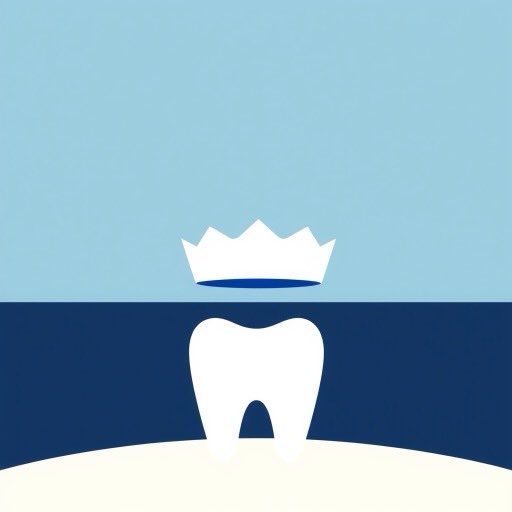
Dental Crowns

If the tooth structure is significantly damaged, a dental crown may be recommended to protect and strengthen the tooth.

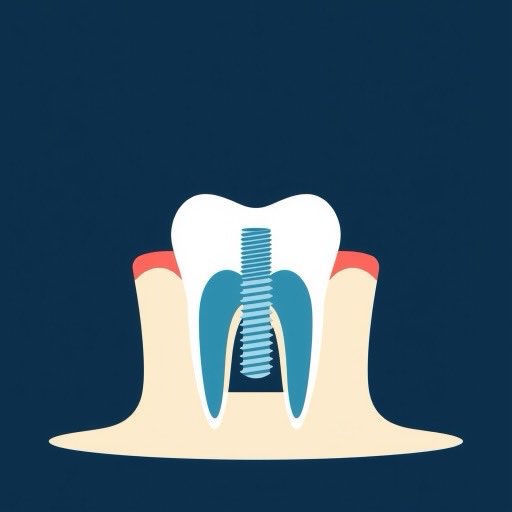
Root Canal Treatment

If decay reaches the inner pulp of the tooth, root canal treatment may be necessary to save the tooth and eliminate infection.

Tooth Extraction

In severe cases where the tooth cannot be saved, extraction may be required, followed by tooth replacement options.

How to Prevent Tooth Cavities

You can reduce the risk of cavities and tooth damage by following these oral care tips:

  • Brush twice daily with fluoride toothpaste
  • Floss regularly
  • Limit sugary snacks and soft drinks
  • Drink enough water
  • Visit your dentist regularly for checkups and cleaning

Preventive dental care can help detect cavities before they become painful.

When Should You Visit a Dentist?

You should schedule a dental checkup if:

  • You notice a visible hole in your tooth
  • Food gets trapped often
  • You experience tooth sensitivity
  • You see black or brown spots on your teeth
  • Bad breath doesn’t improve

At Artistree Dental Clinic, our experienced dental team can diagnose the issue early and recommend the right treatment to protect your smile.

Conclusion

A hole in the tooth with no pain may seem harmless, but it should never be ignored. Early cavities often develop silently and can become serious if left untreated.

If you notice any signs of tooth decay, visit Artistree Dental Clinic for a professional dental examination and timely treatment. Early care can save your tooth, reduce treatment costs, and keep your smile healthy and confident.

Frequently Asked Questions (FAQs)

Can a hole in the tooth heal naturally?

No, cavities do not heal naturally once enamel damage has occurred. Professional dental treatment is usually required.

Is a cavity without pain dangerous?

Yes. Even painless cavities can grow deeper and eventually cause infection and severe pain.

Why do I have a hole in my tooth but no pain?

The decay may still be limited to the enamel layer, which does not contain nerves.

Can painless cavities suddenly become painful?

Yes. Once the decay reaches the deeper layers of the tooth, pain and sensitivity can develop quickly.

How can I prevent tooth decay?

Good oral hygiene, healthy eating habits, and regular dental checkups are the best ways to prevent cavities.

Leave a Reply

Your email address will not be published. Required fields are marked *