Dental Bonding in Gurugram: An Affordable Fix for Chips, Gaps, and Discoloration
If you have a small chip, an awkward gap, or a tooth that looks stained compared to the rest of your smile, you may not need an elaborate procedure to fix it. Dental bonding is one of the simplest and most affordable ways to correct minor cosmetic flaws, often completed in a single visit. Here is what you should know before deciding if it is right for you.
What Is Dental Bonding?
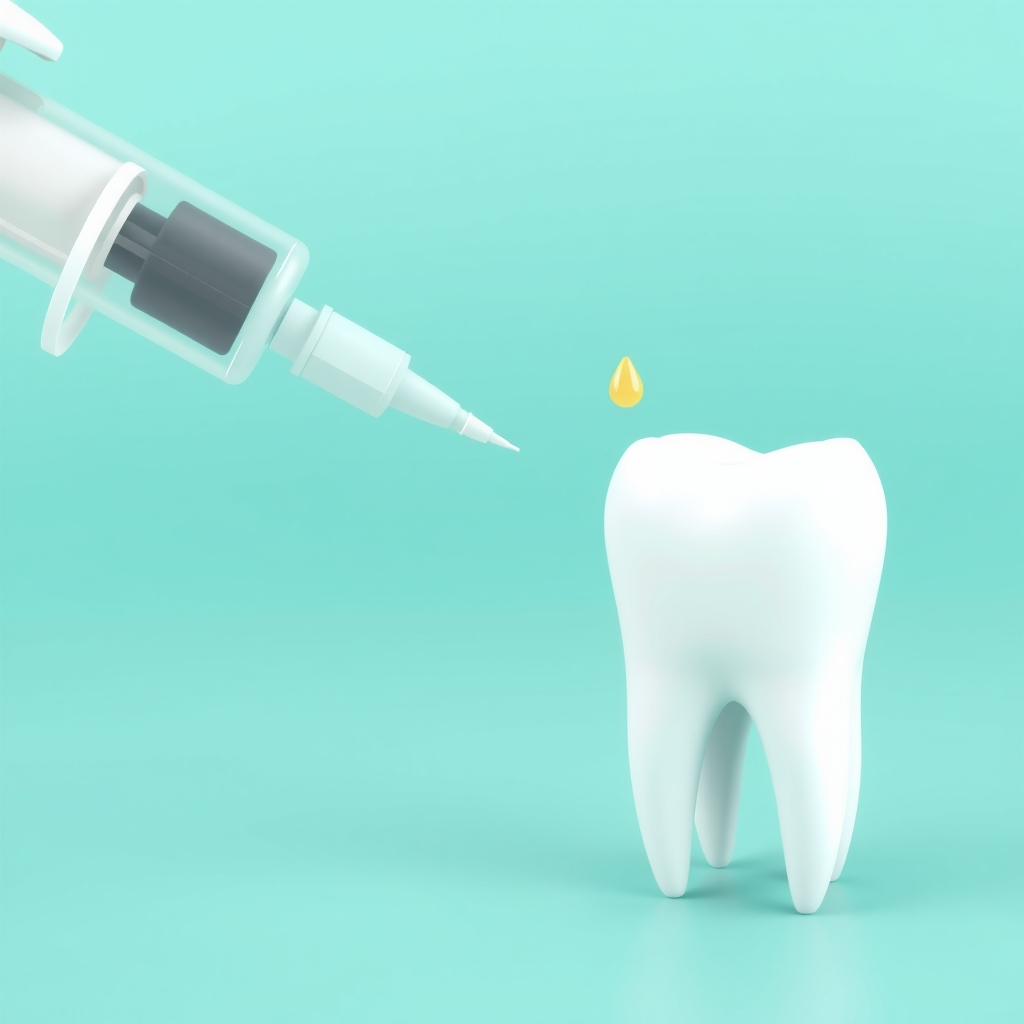
Dental bonding is a cosmetic dental treatment where a tooth-coloured composite resin is applied directly to the tooth, shaped, and hardened with a curing light. The material bonds to the natural tooth structure, which is why it is called bonding. It is used to repair chips, close small gaps, reshape uneven teeth, and mask discoloration that does not respond to whitening.
Unlike veneers or crowns, bonding does not usually require removing significant amounts of tooth enamel, which makes it a more conservative option for minor corrections.
What Dental Bonding Can Fix
- Minor chips or cracks: Small fractures from biting down on something hard or an accidental knock.
- Small gaps between teeth: Closing gaps without needing orthodontic treatment.
- Discoloration: Covering stains or discoloured patches that whitening cannot fully address.
- Uneven or worn edges: Reshaping teeth for a more balanced smile line.
- Short teeth: Lengthening a tooth that appears smaller than its neighbours.
The Step-by-Step Bonding Procedure
- Consultation and shade matching: Your dentist examines the tooth and selects a composite resin shade that matches your natural teeth.
- Surface preparation: The tooth surface is lightly roughened and a conditioning liquid is applied so the resin adheres well.
- Applying the resin: The putty-like composite is applied in layers and shaped to achieve the desired look.
- Curing: A special light hardens each layer of resin within seconds.
- Shaping and polishing: The dentist trims excess material, refines the shape, and polishes it to match the natural sheen of surrounding teeth.
The entire process for one tooth typically takes 30 to 60 minutes, and most patients can return to normal eating and drinking the same day, though it is wise to avoid heavily pigmented foods and drinks for the first 24 to 48 hours.
Dental Bonding vs Veneers vs Crowns
Patients researching cosmetic fixes often want to know how bonding compares with veneers and crowns. Each option suits a different level of damage or cosmetic concern.
| Treatment | Best For | Tooth Structure Removed | Typical Range in Gurugram |
|---|---|---|---|
| Dental Bonding | Minor chips, small gaps, mild discoloration | Minimal to none | Rs 2,000 to Rs 6,000 per tooth |
| Veneers | Multiple cosmetic concerns, long-lasting smile makeover | Thin layer of enamel | Rs 8,000 to Rs 25,000 per tooth |
| Crowns | Broken, decayed, or structurally weak teeth | Significant reshaping | Rs 6,000 to Rs 18,000 per tooth |
These are typical ranges and the right option, as well as the final cost, depends on your specific case, the material used, and the number of teeth involved. Your dentist can offer a precise estimate after an in-person examination.
Why Bonding Is Often the First Step
For many patients in Gurugram, bonding is an attractive starting point because it is quick, conservative, and reversible if a more permanent solution is wanted later. It also makes sense if the cosmetic concern is isolated to one or two teeth rather than spread across the smile.
However, bonding is not ideal for every situation. If a tooth is extensively broken, has a large filling already, or needs a long-term structural fix, a crown may serve you better. If you want to correct the shape, size, or colour of several front teeth at once, veneers often give a more uniform and durable result.
Caring for Bonded Teeth
- Avoid biting on hard objects like ice, pens, or fingernails.
- Limit staining foods and drinks such as tea, coffee, and red wine, especially in the first two days.
- Maintain regular brushing and flossing to keep the margins of the bonding clean.
- Visit your dentist for routine checkups so any wear or chipping can be addressed early.
Dental bonding offers a practical, budget-friendly way to address small imperfections without committing to more invasive treatment. A consultation at Artistree Dental and Cosmetic Clinic can help determine whether bonding, veneers, or a crown is the most suitable choice for your smile.
Have questions about your teeth?
Artistree Dental and Cosmetic Clinic · Shop No 2, B Block Market, Mayfield Garden, Sector 51
Frequently asked questions
Is dental bonding painful?
No. Bonding usually does not require anesthesia unless it is being used to cover a sensitive or decayed area. Most patients feel little to no discomfort during the procedure.
How long does dental bonding last?
With good care, bonding typically lasts 4 to 8 years before it may need touch-ups or replacement, depending on how well it is maintained and your biting habits.
Can bonding fix a large gap or badly broken tooth?
Bonding works best for minor to moderate corrections. For larger gaps, significant breaks, or teeth needing structural support, your dentist may suggest veneers or a crown instead.
Will bonded teeth stain over time?
The composite resin used in bonding can pick up stains from tea, coffee, or tobacco over time, more so than natural enamel or porcelain veneers. Avoiding these or reducing exposure helps maintain its appearance.
Treatment costs mentioned on this page are indicative ranges for the Gurugram region. Your exact cost depends on your case and will be confirmed after a clinical examination at the clinic.