Mouth Ulcers and Canker Sores: Causes, Differences, and Fast Relief
Almost everyone in Gurugram has dealt with a small, painful sore inside the mouth at some point. These are commonly called mouth ulcers or canker sores, and while they are usually harmless, they can make eating, talking, and brushing uncomfortable for days. Understanding why they happen and how to treat them can help you get relief faster and know when it is time to see a dentist.
What Causes Mouth Ulcers?
Mouth ulcers are small, shallow sores that form on the soft tissue inside the mouth, such as the inner cheeks, lips, tongue, or base of the gums. They are not caused by an infection in most cases. Common triggers include:
- Accidental biting of the cheek or tongue
- Sharp edges from a broken tooth or ill-fitting denture or braces
- Acidic or spicy foods, including citrus fruits and tomatoes
- Stress, tiredness, and hormonal changes
- Vitamin deficiencies, especially B12, folate, iron, or zinc
- Certain toothpaste ingredients like sodium lauryl sulfate
- Underlying conditions such as acid reflux or digestive issues in some people
In most cases, there is no single cause, and ulcers simply appear as a result of minor irritation combined with individual sensitivity.
How to Tell Ulcers Apart From Other Oral Issues
Not every sore in the mouth is a simple canker sore. Knowing the differences can help you decide whether home care is enough or a dental visit is needed.
Canker Sores (Aphthous Ulcers)
These are round or oval, white or yellow in the centre with a red border, and appear inside the mouth, never on the outer lips. They are not contagious.
Cold Sores
Cold sores appear on or around the outer lips, often start as a tingling sensation, and form fluid-filled blisters. They are caused by a virus and are contagious.
Oral Thrush
This appears as creamy white patches that can be wiped off, often leaving a red area underneath. It is more common in infants, older adults, or people with a weakened immune system.
Tooth or Gum Related Pain
If the pain is linked to a specific tooth, worsens with hot or cold food, or is accompanied by swelling, it may point to a cavity, infection, or gum disease rather than a simple ulcer.
| Feature | Canker Sore | Cold Sore |
|---|---|---|
| Location | Inside the mouth | Outer lips |
| Appearance | Round, white centre, red edge | Blister, crusts over |
| Contagious | No | Yes |
| Healing time | 7 to 10 days | 7 to 10 days |
Home Remedies for Fast Relief
Most minor ulcers can be managed comfortably at home while they heal.
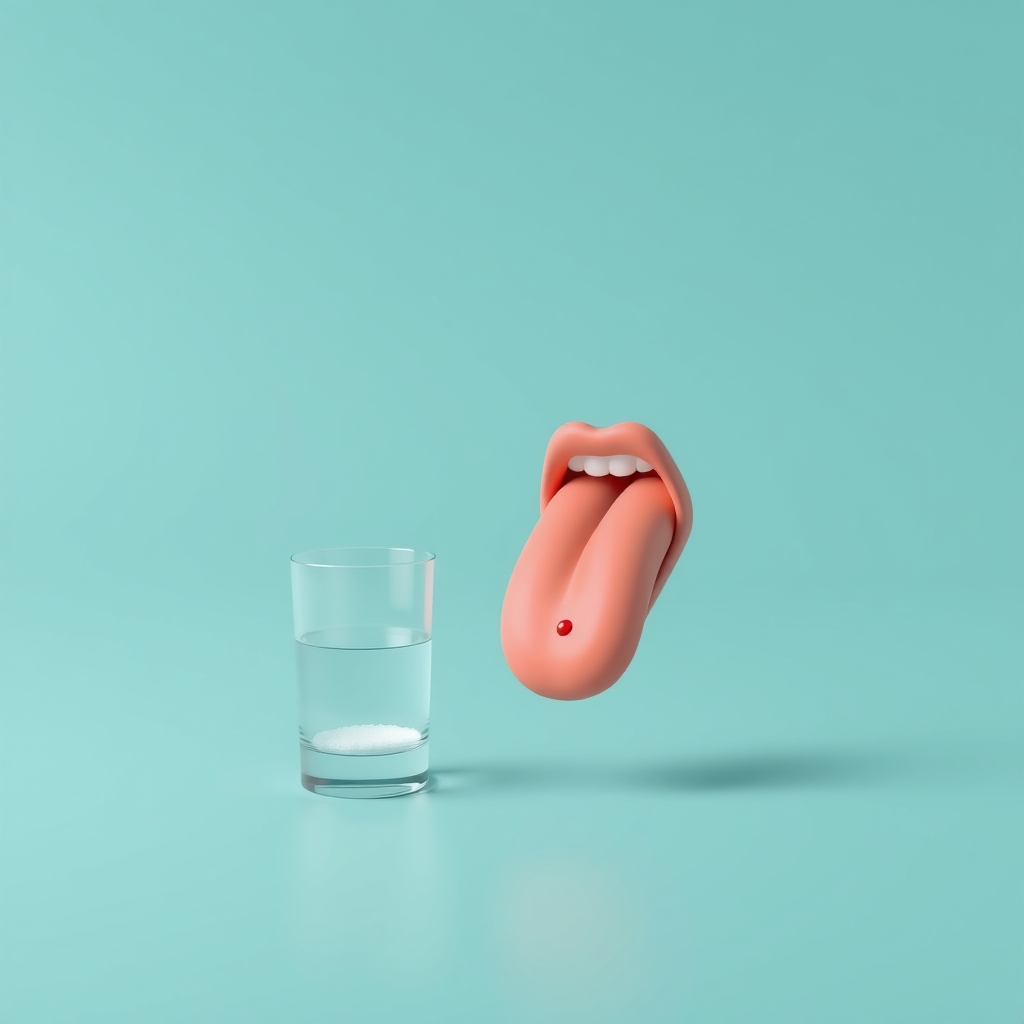
- Rinse with warm salt water two to three times a day
- Avoid spicy, acidic, salty, or rough textured foods until healed
- Apply a small amount of over the counter oral gel meant for ulcers
- Use a soft bristled toothbrush to avoid further irritation
- Stay hydrated and maintain a balanced diet rich in vitamins
- Avoid toothpaste with sodium lauryl sulfate if you get frequent ulcers
When Clinical Treatment Is Needed
Most ulcers heal without professional treatment, but a dental visit is recommended if:
- The sore is larger than usual or unusually painful
- It has not healed after two to three weeks
- Ulcers keep recurring frequently
- You notice fever, swelling, or difficulty swallowing alongside the sore
- A sharp tooth, filling, or denture edge seems to be causing repeated irritation
At the clinic, our dentists will examine the mouth to confirm the cause, smooth any sharp tooth surfaces or adjust ill-fitting dental appliances, and may recommend a prescription strength gel, mouth rinse, or in some cases blood tests to check for underlying vitamin deficiencies. Persistent or unusual sores are also checked carefully to rule out other causes.
Preventing Future Mouth Ulcers
If you experience ulcers often, small lifestyle adjustments can reduce how frequently they appear. Eating a balanced diet, managing stress, staying hydrated, and using a gentle toothpaste can all help. Regular dental checkups also allow sharp edges on teeth, fillings, or braces to be identified and smoothed before they cause repeated irritation.
If you are dealing with painful mouth sores that are not improving, visiting a dentist near you in Gurugram for a proper check can bring faster relief and peace of mind. Our team at Artistree Dental and Cosmetic Clinic in Sector 51 is happy to help identify the cause and guide you toward the right treatment.
Have questions about your teeth?
Artistree Dental and Cosmetic Clinic · Shop No 2, B Block Market, Mayfield Garden, Sector 51
Frequently asked questions
How long do mouth ulcers normally take to heal?
Most minor canker sores heal on their own within 7 to 10 days. If a sore lasts more than two to three weeks, it should be checked by a dentist.
Are mouth ulcers contagious?
No. Common canker sores are not caused by a virus and cannot spread to others. Cold sores, which appear on the lips, are different and are caused by a contagious virus.
Can stress really cause mouth ulcers?
Yes. Stress, lack of sleep, and hormonal changes are well known triggers that can make some people more prone to recurring ulcers.
When should I worry about a mouth sore?
See a dentist if a sore is unusually large, extremely painful, keeps coming back, or does not heal within three weeks, as these need a proper check.
Treatment costs mentioned on this page are indicative ranges for the Gurugram region. Your exact cost depends on your case and will be confirmed after a clinical examination at the clinic.