How to Clean Teeth and Gums Properly During Orthodontic Treatment
Braces and clear aligners both do an excellent job of straightening teeth, but they also create more places for food and plaque to hide. Many patients in Gurugram ask us about the faint white patches that sometimes appear on teeth after braces come off. These are called white spot lesions, and they happen when plaque sits too long near the brackets or under aligners and weakens the enamel. The good news is that white spots and gum problems during orthodontic treatment are almost entirely preventable with a steady daily routine.
Why Braces and Aligners Need Extra Care
Metal and ceramic brackets, wires, and elastics give plaque many surfaces to cling to. If brushing is rushed, plaque builds up around the base of each bracket, and over weeks this can demineralise the enamel, leaving a white, chalky mark. Clear aligners trap saliva and sugary drinks against the teeth if they are not cleaned or removed properly, which can have a similar effect. Gums can also get puffy or bleed if plaque is left along the gumline for too long.
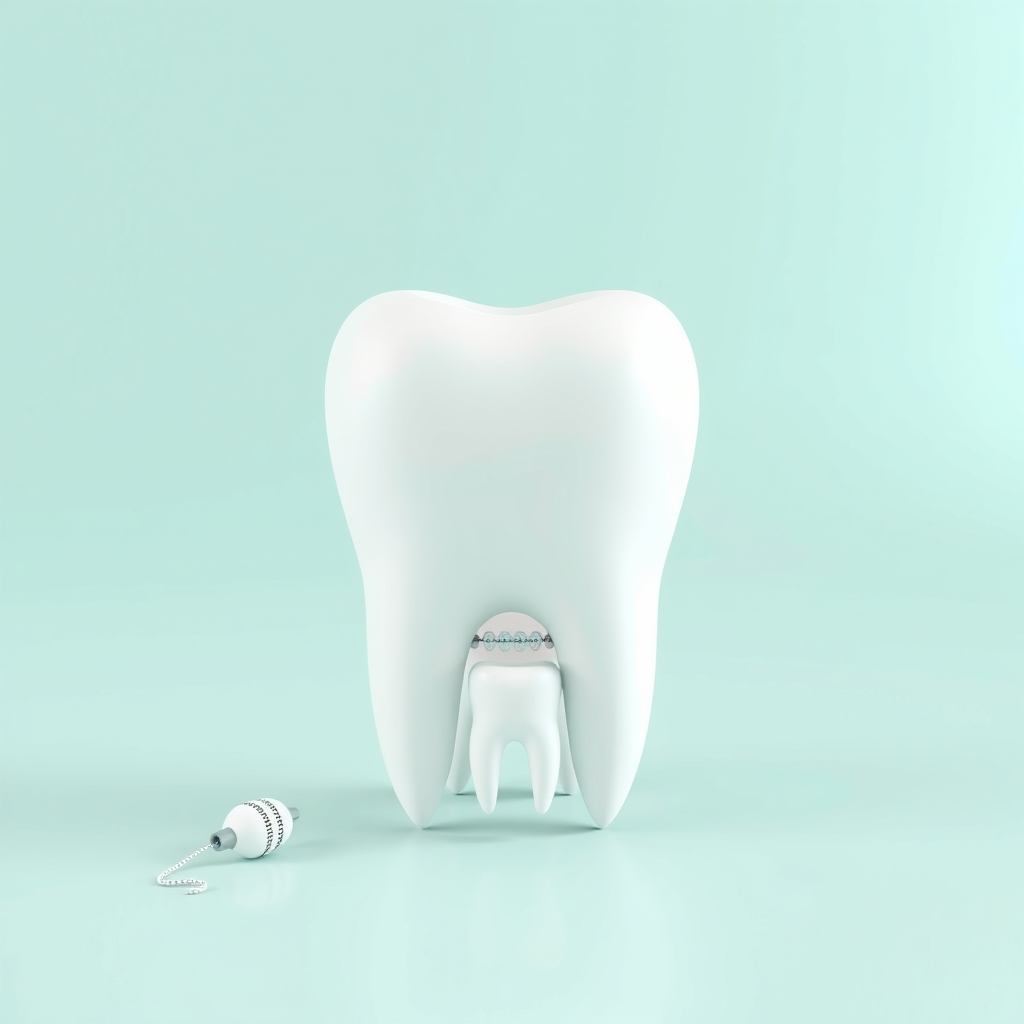
Daily Brushing Routine for Braces
- Use a soft bristled brush, either manual or electric, and brush for a full two minutes.
- Angle the brush at 45 degrees towards the gumline, then tilt it to clean above and below each bracket.
- Brush each tooth individually rather than in a general sweeping motion.
- Consider an interdental brush to clean the small gaps between wire and tooth that a regular brush cannot reach.
- Rinse with a fluoride mouthwash if your dentist recommends it, especially if you are prone to white spots.
Flossing with Braces
Regular floss can be threaded under the wire using a floss threader, or you can use an orthodontic floss with a stiff end designed for this purpose. Water flossers are also helpful for loosening debris around brackets, though they work best alongside flossing rather than instead of it.
Daily Cleaning Routine for Clear Aligners
- Brush and floss your teeth before putting the aligner back in, every single time, not just morning and night.
- Clean the aligner itself with a soft brush and lukewarm water. Avoid hot water as it can warp the plastic.
- Do not eat or drink anything except plain water while the aligner is in your mouth.
- Soak aligners occasionally in a cleaning solution recommended by your dentist to remove bacteria and odour.
- Avoid toothpaste to scrub aligners, as it can be abrasive and leave the plastic looking cloudy.
Foods and Habits That Increase White Spot Risk
Sticky sweets, sugary tea or coffee, and fizzy drinks increase acid attacks on enamel that is already more vulnerable around brackets. With aligners, the main risk is forgetting to remove them before eating or sipping anything other than water. Smoking and poor hydration can also reduce saliva flow, which normally helps protect enamel naturally.
Signs You Should Visit Your Dentist
- Gums that bleed regularly during brushing or look swollen and red
- A persistent bad taste or odour that does not improve with cleaning
- Visible white or chalky patches near the gumline
- Food that seems to get stuck in the same spot repeatedly
- A bracket or wire that feels loose or is poking the cheek
Regular check-ups during orthodontic treatment allow your dentist to spot early white spots or gum inflammation before they progress, and to professionally clean areas that are hard to reach at home.
Quick Comparison: Braces vs Aligner Care
| Care Step | Braces | Clear Aligners |
|---|---|---|
| Brushing frequency | After every meal if possible | Before reinserting aligner each time |
| Flossing method | Threader or orthodontic floss | Normal flossing, aligner removed |
| Main risk | Plaque around brackets | Eating or drinking with aligner in |
| Cleaning tool | Interdental brush, water flosser | Soft brush, cleaning solution |
Whether you are using braces or aligners, consistency matters more than perfection. A short, focused cleaning routine done properly every day will protect your enamel and gums far better than occasional deep cleaning sessions. If you notice any white patches, gum changes, or discomfort during your treatment, it is worth getting it checked early rather than waiting until your next scheduled visit.
Have questions about your teeth?
Artistree Dental and Cosmetic Clinic · Shop No 2, B Block Market, Mayfield Garden, Sector 51
Frequently asked questions
How often should I clean my teeth while wearing braces?
Brush after every meal or snack if possible, and at least twice a day for two minutes. Floss once daily, ideally at night, so food and plaque do not sit around the brackets overnight.
Can clear aligners cause white spots if I am careful?
Aligners lower the risk compared to braces because they are removable, but white spots can still form if you eat or drink sugary items with aligners on, or skip brushing before wearing them again.
What toothpaste is best for braces or aligners?
A fluoride toothpaste is recommended for most patients. Your dentist may suggest a higher fluoride or remineralising paste if you show early white spot formation.
Are white spots on teeth permanent?
Early white spots can sometimes improve with good oral hygiene and fluoride use. Deeper or long standing spots may need cosmetic treatment such as resin infiltration or whitening after braces are removed.
Treatment costs mentioned on this page are indicative ranges for the Gurugram region. Your exact cost depends on your case and will be confirmed after a clinical examination at the clinic.