Root Canal or Extraction? How Dentists Decide Which Is Right for Your Tooth
When a tooth is badly decayed, cracked, or infected, one of the first questions patients in Gurugram ask is simple: can this tooth be saved, or does it need to come out? Both root canal treatment and extraction are valid, evidence-based options, but the right choice depends on specific clinical factors. Understanding these factors can help you have a more informed conversation with your dentist.
What a Root Canal Actually Does
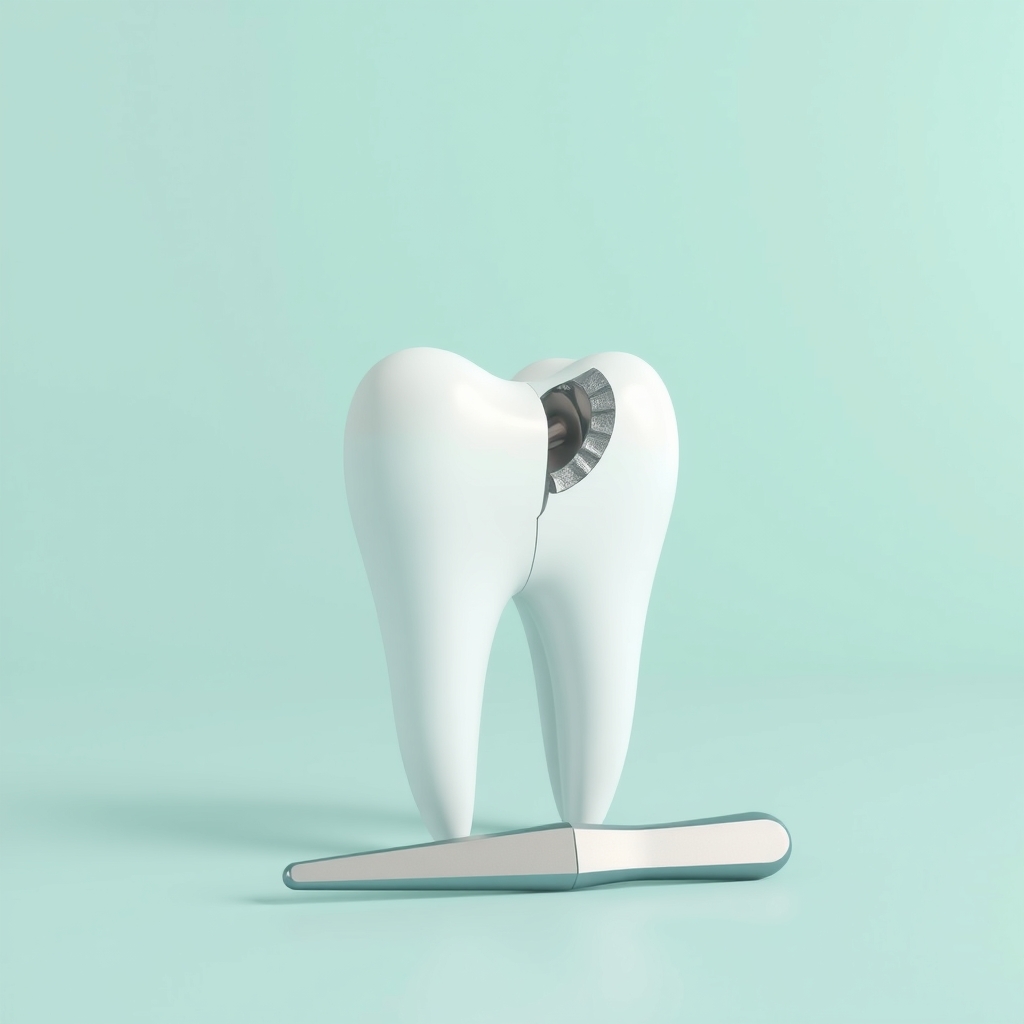
A root canal treatment removes infected or inflamed pulp tissue from inside the tooth, cleans and shapes the canals, and seals them to prevent further infection. The tooth is then usually protected with a crown. The goal is to keep your natural tooth functioning in your mouth for as long as possible.
What Extraction Involves
Extraction means removing the tooth completely. It is considered when the tooth cannot be reliably restored or when keeping it poses more risk than benefit to your overall oral health. After extraction, dentists usually discuss replacement options such as an implant, bridge, or denture to prevent bone loss and shifting of neighbouring teeth.
Key Factors Dentists Consider
1. Extent of Decay or Damage
If enough healthy tooth structure remains above the gum line to support a crown after treatment, a root canal is usually favourable. If the tooth is fractured deep below the gum or split into pieces, it often cannot be saved.
2. Severity and Spread of Infection
Localised infection confined to the tooth root can often be treated successfully with a root canal and antibiotics if needed. However, if infection has spread extensively into surrounding bone or if there is significant bone loss around the roots, extraction may be safer.
3. Condition of Supporting Gum and Bone
A tooth with advanced gum disease and loose attachment may not be worth saving even if the root canal itself would succeed, since the tooth could still become mobile and fail later.
4. Position and Role of the Tooth
Front teeth and molars that play an important role in biting and chewing are often prioritised for saving. Severely impacted or non-functional teeth, like some wisdom teeth, are more commonly extracted rather than treated.
5. Number of Previous Treatments
A tooth that has already had a root canal and is now reinfected may still be treatable with retreatment, but repeated failures can indicate it is time to consider extraction.
6. Patient Health and Preferences
Certain medical conditions, difficulty attending multiple appointments, or personal preference can influence the final decision. Your dentist will discuss realistic outcomes for your specific situation.
| Factor | Favours Root Canal | Favours Extraction |
|---|---|---|
| Tooth structure | Enough remains for a crown | Severely fractured or broken below gum line |
| Infection | Localised to tooth root | Widespread with major bone loss |
| Gum and bone support | Stable and healthy | Advanced gum disease, tooth very loose |
| Tooth role | Important for chewing or appearance | Non-functional or impacted |
| Treatment history | First root canal or treatable retreatment | Repeated treatment failures |
Typical Cost Considerations in Gurugram
Costs vary based on the tooth involved, severity of infection, and whether a crown or replacement is needed afterward. As a general guide, the typical range for root canal treatment in Gurugram is higher per tooth than a simple extraction, but extraction often leads to additional costs later for replacement options like implants or bridges. Your dentist can give you a clear estimate after examination and X-rays.
What Happens During the Decision Visit
At your appointment, the dentist will typically take an X-ray to assess the root, surrounding bone, and extent of decay or fracture. They will check for swelling, mobility, and gum health, and ask about your symptoms, including pain triggers and duration. Based on this, they will explain which option is realistic for your tooth and what to expect from each path, including recovery and long-term outlook.
Making the Right Choice for You
There is no universally "better" option between root canal treatment and extraction. The right decision depends on your tooth's specific condition, your overall oral health, and your personal goals for function and appearance. Discussing the pros, cons, and realistic outcomes with your dentist is the best way to decide confidently.
Have questions about your teeth?
Artistree Dental and Cosmetic Clinic · Shop No 2, B Block Market, Mayfield Garden, Sector 51
Frequently asked questions
Is root canal treatment always more expensive than extraction in the long run?
Extraction itself may cost less upfront, but a missing tooth often needs replacement with an implant, bridge, or denture to restore chewing and prevent shifting teeth. When you add replacement costs, root canal treatment is often more economical over time.
How long does a root canal treated tooth last?
With a proper crown and good oral hygiene, a root canal treated tooth can last many years, often decades. Regular dental check-ups help catch any issues early.
Does a root canal hurt more than an extraction?
Both procedures are done under local anaesthesia and patients typically feel minimal discomfort during treatment. Some soreness afterward is normal with either option and is manageable with medication your dentist prescribes.
Can every damaged tooth be saved with a root canal?
No. If the tooth has severe fracture below the gum line, extensive bone loss, or cannot support a crown afterward, extraction may be the safer and more practical choice.
Treatment costs mentioned on this page are indicative ranges for the Gurugram region. Your exact cost depends on your case and will be confirmed after a clinical examination at the clinic.