How Tongue and Lip Piercings Can Affect Your Teeth and Gums
Tongue and lip piercings are a popular form of self-expression, and many people in Gurugram wear them without major problems. However, these piercings sit very close to teeth, gums, and soft oral tissue, which makes them more likely to cause dental damage over time. Understanding the risks and following safer care habits can help you enjoy your piercing while protecting your smile.
Why Oral Piercings Are Different From Other Piercings
The mouth is constantly moving when you speak, eat, and swallow. A piece of metal jewellery placed on the tongue or lip is in near-constant contact with teeth and gums. Saliva also carries a high number of bacteria, which means any injury inside the mouth can take longer to heal and is more prone to infection compared to piercings on other parts of the body.
Common Ways Piercings Damage Teeth and Gums
Chipped or Cracked Teeth
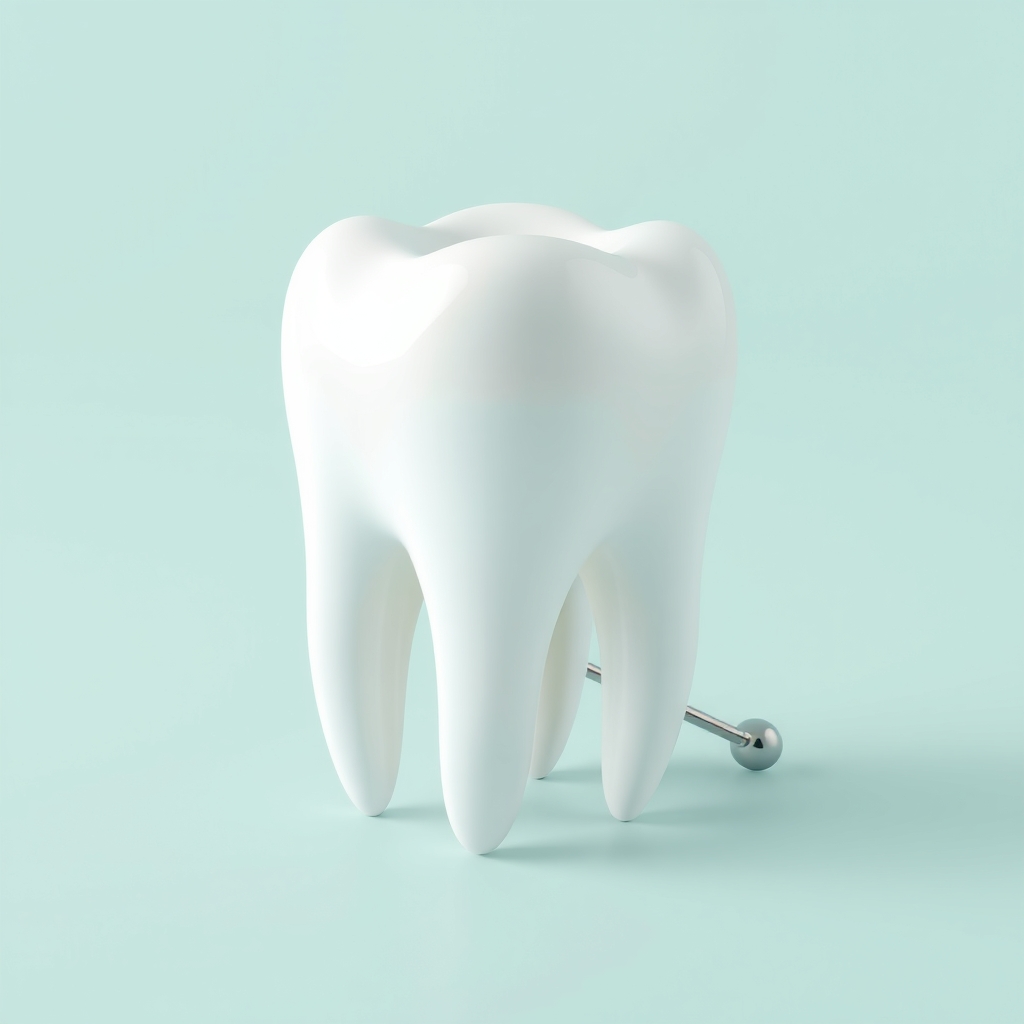
Metal barbells can repeatedly knock against the biting edges of front teeth or molars. Over months or years, this friction can cause small chips, cracks, or even fractures, especially in people who unconsciously play with the jewellery using their teeth.
Gum Recession
Lip piercings, in particular, can rub against the gum line every time the lips move. This constant friction can wear away gum tissue, exposing the tooth root. Receded gums do not grow back on their own and can lead to sensitivity and a higher risk of tooth decay near the root.
Tooth Wear and Sensitivity
Many people develop a habit of clicking jewellery against their teeth without realising it. This repeated contact can wear down enamel, leading to increased sensitivity to hot, cold, or sweet foods.
Infection and Swelling
New piercings carry a risk of infection, which can cause swelling severe enough to affect breathing or swallowing in rare cases. Even after healing, a piercing can act as an entry point for bacteria if oral hygiene is not maintained carefully.
Nerve and Taste Changes
Tongue piercings placed too deep or in the wrong position can injure nerves, sometimes leading to temporary or, rarely, lasting changes in taste or sensation.
Speech and Chewing Difficulty
Swelling after a fresh piercing can make speaking and chewing uncomfortable. Some people also develop a habit of altering their bite or tongue position to avoid jewellery, which can affect jaw comfort over time.
Safer Care Practices If You Have an Oral Piercing
- Choose jewellery made of surgical-grade titanium or niobium, which tends to be gentler on gums than lower-quality metals.
- Opt for a shorter barbell once initial swelling subsides, as this reduces unnecessary contact with teeth.
- Avoid clicking, twisting, or playing with the jewellery using your teeth or tongue.
- Remove the piercing during sports, sleep, or any activity with a risk of impact to the face.
- Clean the piercing site gently with a saline rinse as advised, and brush your teeth twice daily with a soft-bristled brush.
- Watch for signs of infection such as persistent redness, swelling, pain, or discharge, and seek care promptly if these occur.
- Visit your dentist regularly so early signs of gum recession, chips, or wear can be identified and managed before they worsen.
When to See a Dentist
If you notice a chipped tooth, loose jewellery, gum that looks thinner or pulled back, or ongoing discomfort, it is worth getting a dental check rather than waiting. At Artistree Dental and Cosmetic Clinic in Sector 51, Gurugram, our team can assess any damage, suggest ways to protect your teeth going forward, and treat issues such as sensitivity or minor chips before they become more serious.
A Balanced Approach
Having a tongue or lip piercing does not automatically mean you will experience dental problems, but the risk is real and worth taking seriously. Choosing quality jewellery, avoiding habits that cause repeated contact with teeth, and keeping up with regular dental visits can go a long way in protecting your oral health while you enjoy your piercing.
If you have questions about how your piercing may be affecting your teeth or gums, you can reach Artistree Dental and Cosmetic Clinic at Shop No 2, B Block Market, Mayfield Garden, Sector 51, or call +91 92053 01454 to book a check-up.
Have questions about your teeth?
Artistree Dental and Cosmetic Clinic · Shop No 2, B Block Market, Mayfield Garden, Sector 51
Frequently asked questions
Can I get a tongue piercing if I already have chipped teeth or fillings?
It is best to speak with your dentist first. Existing fillings, crowns, or chipped teeth are more likely to crack or break from contact with jewellery, so extra caution is needed.
How long does it take for oral piercings to cause tooth damage?
It varies. Some people notice gum recession or small chips within months, while others develop issues gradually over several years. Regular dental check-ups help catch early signs.
Is a shorter barbell safer than a longer one?
Yes. Once swelling goes down, switching to a shorter, properly fitted barbell reduces the chances of it hitting your teeth or gums repeatedly.
Should I remove my piercing before dental treatment?
In most cases, yes. Removing metal jewellery helps prevent interference with dental instruments and X-rays. Your dentist at Artistree will guide you on timing.
Treatment costs mentioned on this page are indicative ranges for the Gurugram region. Your exact cost depends on your case and will be confirmed after a clinical examination at the clinic.