
10 Brushing Mistakes 90% of People Make And How to Fix Them
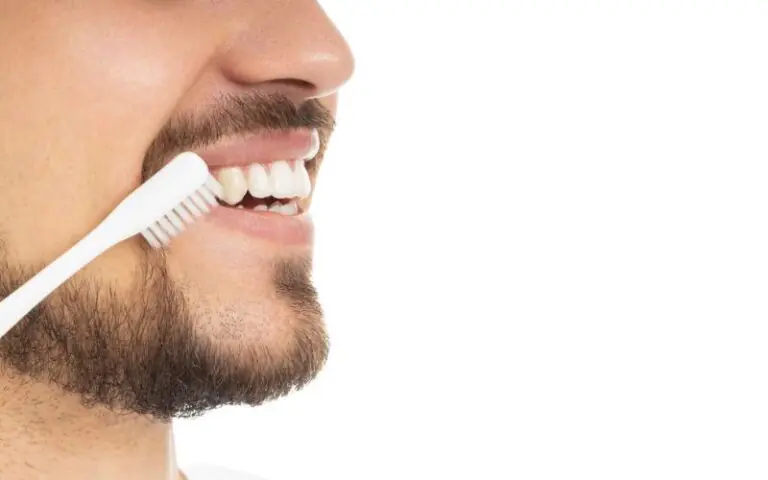
Brushing your teeth every day doesn’t automatically protect your smile. According to the American Dental Association, most people make at least one significant brushing error that quietly damages their enamel or gums over time.
Below are the ten most common mistakes — and exactly how to correct each one.
1. Brushing Too Hard
Scrubbing vigorously feels thorough, but aggressive pressure is one of the leading causes of enamel erosion and gum recession — two conditions that are difficult to reverse.
Why it harms you:
- Wears down enamel permanently
- Exposes the sensitive dentine layer underneath
- Causes gum recession, which increases tooth sensitivity
How to fix it: Switch to a soft-bristled brush and use small, gentle circular strokes. A simple test — if your bristles splay outward within a few weeks, you’re pressing too hard.
2. Not Brushing Long Enough
Studies show the average person brushes for around 45 seconds. The ADA recommends two full minutes to remove plaque effectively.
Why it harms you:
- Plaque and food particles remain on teeth
- Significantly raises the risk of cavities and gum disease
How to fix it: Use a timer, play a short song, or choose an electric toothbrush with a built-in 2-minute alert. Divide your mouth into four quadrants and spend 30 seconds on each.
3. Using the Wrong Toothbrush
A clinical review published in the Journal of Periodontology found that medium and hard bristles remove similar amounts of plaque to soft bristles — but cause significantly more tissue and enamel damage.
Why it harms you:
- Hard bristles abrade gum tissue and enamel
- Large brush heads cannot reach back teeth and molars effectively
How to fix it: Choose a soft-bristled brush with a small-to-medium head. Electric brushes with oscillating heads are particularly effective for thorough plaque removal.
4. Brushing Immediately After Eating Acidic Food or Drink
Acid temporarily softens enamel. Brushing within 30 minutes of consuming citrus, coffee, soda, or vinegar-based foods can physically scrub away that softened layer.
Why it harms you:
- Accelerates enamel erosion, especially with repeated exposure over time
How to fix it: Wait at least 30 minutes after acidic foods or drinks before brushing. Rinsing with plain water immediately after eating helps neutralise the acid in the meantime.
5. Skipping the Tongue
The tongue’s surface harbours a large proportion of the oral bacteria responsible for bad breath (halitosis) and can reintroduce bacteria to freshly brushed teeth.
Why it harms you:
- Causes persistent bad breath
- Allows bacteria to recolonise teeth and gums shortly after brushing
How to fix it: Gently brush your tongue from back to front after brushing your teeth, or use a dedicated tongue scraper for more effective removal.
6. Neglecting the Gum Line
Plaque accumulates most heavily where teeth meet the gums. Missing this area consistently leads to gingivitis — the earliest and most treatable stage of gum disease.
Why it harms you:
- Unchecked plaque at the gum line hardens into tartar within 24–72 hours
- Tartar can only be removed by a dental professional
How to fix it: Angle your brush at 45 degrees toward the gum line and use gentle circular strokes. Avoid brushing in horizontal lines — this misses the sulcus (the small gap between tooth and gum where plaque hides).
7. Rinsing With Water Immediately After Brushing
This is one of the least-known mistakes. Dental bodies including the NHS advise against rinsing right after brushing — it washes away the fluoride film that toothpaste leaves on enamel.
Why it harms you:
- Reduces the enamel-strengthening benefit of fluoride toothpaste
- Lowers cavity protection
How to fix it: Spit out the excess toothpaste but do not rinse with water. If you use a mouthwash, use it at a separate time — not immediately after brushing.
8. Sharing Toothbrushes
Even between close family members, sharing a toothbrush transfers saliva, bacteria, and potentially viruses — including those linked to cold sores and gum infections.
Why it harms you:
- Risk of transmitting bacteria linked to cavities and gum disease
- Can spread herpes simplex virus (HSV-1) and other oral infections
How to fix it: Keep your toothbrush strictly personal. Store it upright and uncovered, and keep it away from the toilet area to reduce airborne contamination.
9. Skipping the Nighttime Brush
Saliva flow drops significantly during sleep, reducing the mouth’s natural ability to neutralise acid and wash away bacteria. Skipping the bedtime brush leaves your teeth vulnerable for 6–8 hours.
Why it harms you:
- Plaque bacteria produce acid throughout the night
- Accelerates cavity formation and gum inflammation while you sleep
How to fix it: Make nighttime brushing non-negotiable. It is actually more important than the morning session. Even a quick but thorough brush is far better than skipping it entirely.
10. Keeping an Old Toothbrush Too Long
Clinical trials show that frayed bristles remove significantly less plaque than new ones. Old brushes also accumulate bacteria that can reintroduce pathogens into your mouth.
Why it harms you:
- Reduced cleaning effectiveness
- Increased bacterial load on the brush itself
How to fix it: Replace your toothbrush (or electric brush head) every 3 months — or immediately after recovering from any illness.
6 Additional Habits That Protect Your Teeth
Beyond brushing technique, these simple habits make a real difference:
- Use fluoride toothpaste — it is your primary defence against enamel erosion and cavities
- Floss once a day — brushing alone misses roughly 35% of tooth surfaces
- Drink plenty of water — especially fluoridated tap water, which helps strengthen enamel
- Limit sugary food and drinks — sugar feeds the bacteria that produce cavity-causing acid
- Use mouthwash at a separate time — not right after brushing (see Mistake 7)
- Visit your dentist every 6 months — early problems caught early are far cheaper to treat
When to See a Dentist
Do not wait for your routine appointment if you notice any of the following:
- Tooth sensitivity to hot, cold, or sweet foods
- Bleeding gums when brushing or flossing
- Persistent bad breath despite regular brushing
- Gum swelling, redness, or tenderness
- Visible changes in tooth colour or texture
These are early warning signs that deserve professional attention before they become more serious.
Get Expert Dental Care at Artistree Dental
Good brushing habits are essential, but regular dental checkups are equally important for maintaining healthy teeth and gums. At Artistree Dental, experienced dental professionals provide personalized dental care, preventive treatments, and oral hygiene guidance to help you achieve a healthier smile.
Whether you need a routine dental cleaning, cavity treatment, or professional oral care advice, Artistree Dental is committed to providing quality dental solutions for patients of all ages.
Conclusion
Brushing your teeth daily is important, but brushing correctly matters even more. These common brushing mistakes may seem harmless, but over time they can seriously affect your oral health. By improving your brushing technique and following healthy oral hygiene habits, you can protect your teeth, gums, and smile for years to come.
If you’re experiencing tooth sensitivity, bleeding gums, or other dental issues, consider scheduling a professional dental checkup to keep your oral health on track.