
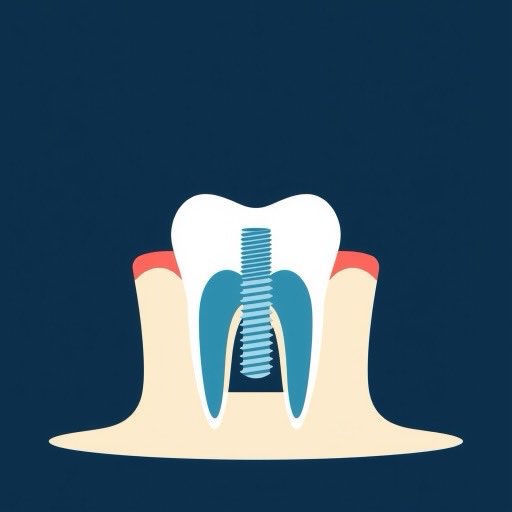
A Comprehensive Guide to Restoring Smiles and Confidence
Understanding the Advantages of Dental Implants
Compared to traditional tooth replacement options, dental implants boast several significant advantages:
- Unmatched aesthetics: Designed to mimic the appearance and function of natural teeth, implants seamlessly integrate with your existing smile, restoring a natural look and enhancing facial contours. They offer a permanent and stable solution, boosting confidence in social and professional settings.
- Enhanced functionality: Implants stand alone, preserving your natural tooth structure without altering adjacent healthy teeth, unlike bridges. This allows for a more natural biting, chewing, and speaking experience, eliminating discomfort and limitations associated with loose dentures.
- Durability and longevity: Crafted from biocompatible titanium, dental implants are incredibly strong and can last a lifetime with proper care, eliminating the need for repeated replacements.
- Improved oral health: Dental implants promote healthy gums and bone by allowing for easier cleaning and maintaining proper bone stimulation, unlike traditional bridges that can trap food particles and contribute to gum disease.
- Increased confidence: By restoring a complete and natural smile, dental implants can significantly impact your self-esteem and confidence, improving your quality of life and social interactions.
The Dental Implant Journey: A Step-by-Step Guide
The dental implant process typically involves several stages spread over several months:
- Initial Consultation and Planning: A thorough dental examination, X-rays, and potentially CT scans are conducted to assess jawbone health, discuss treatment goals, and create a personalized treatment plan.
- Implant Placement: Under local anesthesia or conscious sedation, one or more implants are surgically inserted into the jawbone. The healing period allows for osseointegration, where the jawbone fuses with the implant surface.
- Abutment Placement: Once the implant site has healed, an abutment is attached to the implant, serving as the anchor for the final restoration.
- Crown or Prosthetic Placement: The final restoration, such as a crown, bridge, or denture, is attached to the abutment, seamlessly integrating with your existing teeth.
Who is an Ideal Candidate for Dental Implants?
Good candidates for dental implants generally possess the following characteristics:
- Good overall health: Individuals with underlying medical conditions may require special considerations.
- Adequate jawbone density: Sufficient bone volume is crucial for successful osseointegration.
- Commitment to oral hygiene: Excellent oral hygiene practices are essential for long-term success.
Important Considerations Before Choosing Dental Implants
- Cost: While more expensive upfront, dental implants can be cost-effective in the long run due to their durability and lack of recurring replacement costs.
- Treatment Time: The process can take several months, depending on individual factors.
- Surgical Procedure: Implant placement is a surgical procedure with potential risks, so choosing a qualified and experienced dentist is crucial.
In conclusion, dental implants offer a life-changing solution for individuals seeking a permanent, natural-looking, and functional replacement for missing teeth. Consulting a qualified dentist is essential to discuss your needs, understand the process, and determine if implants are right for you.