Teeth Grinding (Bruxism): Causes, Warning Signs, and Treatment Options
Waking up with a sore jaw, a dull headache, or teeth that feel sensitive for no clear reason are common signs of teeth grinding, also called bruxism. Many people in Gurugram grind their teeth during sleep without realising it, often until a partner notices the sound or a dentist spots the wear during a checkup. Understanding why this happens and what can be done about it helps protect your teeth and jaw over the long term.
What Causes Teeth Grinding
Bruxism can happen while you are awake or asleep, and the causes are usually different for each.
Common Triggers
- Stress and anxiety: One of the most frequent causes, especially with demanding work schedules or personal pressures.
- Sleep disorders: Conditions like sleep apnoea are linked to a higher chance of night time grinding.
- Bite irregularities: Missing teeth, misaligned teeth, or an uneven bite can encourage grinding.
- Lifestyle factors: High caffeine intake, smoking, and alcohol use have all been associated with increased grinding.
- Certain medications: Some antidepressants have been reported to contribute to bruxism in a small number of people.
Warning Signs You Should Not Ignore
Because most grinding happens during sleep, many people only find out after damage has already started. Watch for these signs:
- Waking up with a sore or tight jaw
- Frequent dull headaches, especially near the temples
- Flattened, chipped, or cracked teeth
- Increased tooth sensitivity to hot, cold, or sweet foods
- Clicking or discomfort in the jaw joint (TMJ)
- A partner mentioning grinding sounds at night
If you notice two or more of these regularly, it is worth getting your teeth and jaw checked rather than waiting for pain to worsen.
Why Treating Bruxism Matters
Occasional mild grinding may not cause lasting harm, but ongoing grinding can gradually wear down enamel, loosen fillings or crowns, and put strain on the jaw joint. Over time, this can lead to increased sensitivity, cracked teeth, and chronic jaw discomfort. Catching it early usually means simpler, more affordable treatment.
Treatment Options for Teeth Grinding
Night Guards
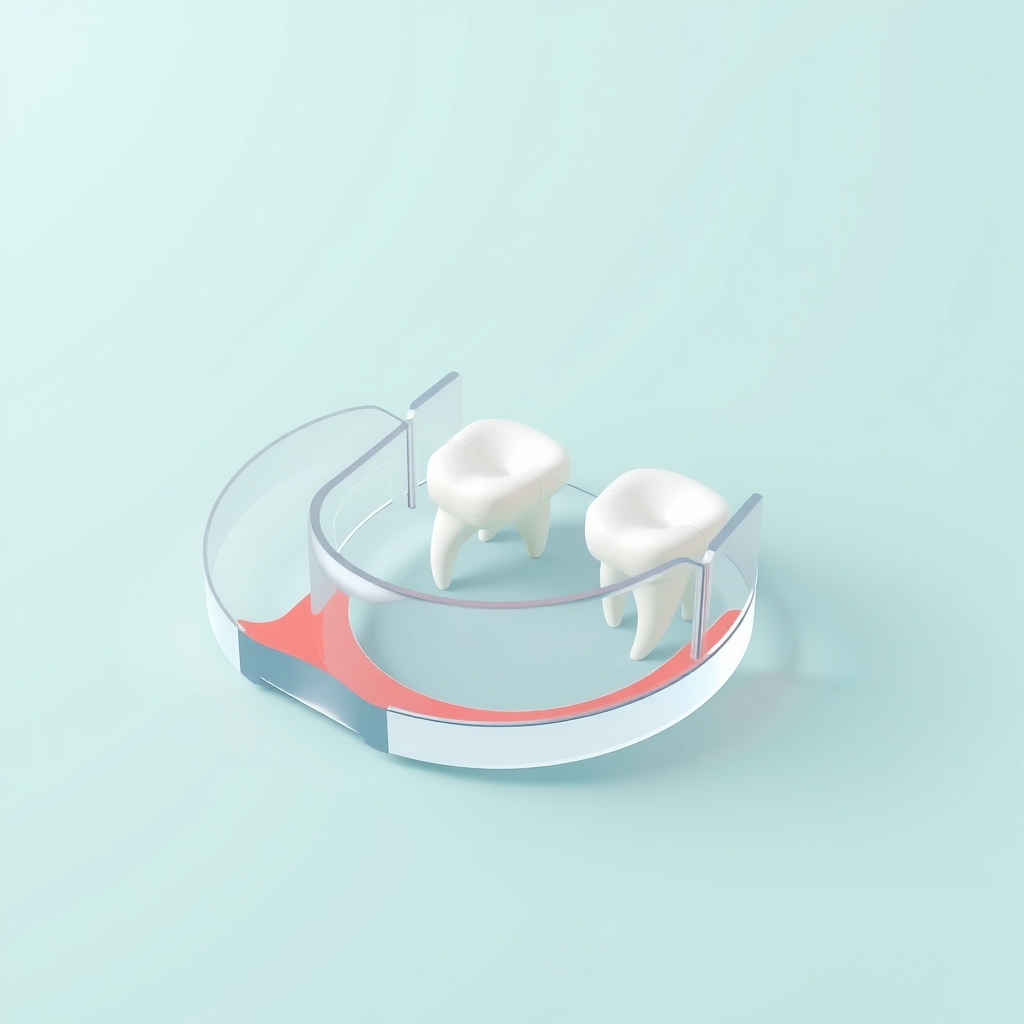
A night guard, also called an occlusal splint, is one of the most common and effective ways to manage bruxism. It is a custom-fitted device worn over the teeth during sleep that cushions the biting forces and prevents direct tooth-on-tooth contact. Custom-made guards, fitted by a dentist after taking an impression of your teeth, tend to fit better and last longer than store-bought options.
Addressing the Underlying Cause
- Stress management: Techniques like regular exercise, better sleep habits, or relaxation practices can reduce grinding linked to stress.
- Bite correction: If misaligned teeth or an uneven bite are contributing, your dentist may suggest orthodontic evaluation or minor adjustments.
- Sleep evaluation: If sleep apnoea is suspected, a referral for a sleep study may be recommended alongside dental treatment.
- Reducing triggers: Cutting back on caffeine and alcohol, particularly in the evening, can help some people.
Restorative Care
If grinding has already caused chips, cracks, or worn edges, your dentist may recommend restorative treatments such as bonding, crowns, or other repairs to restore the shape and function of affected teeth alongside a night guard to prevent further damage.
| Treatment | Purpose | Typical Range (INR)* |
|---|---|---|
| Custom night guard | Protects teeth from grinding during sleep | Typical range varies by material and case complexity |
| Dental bonding for worn teeth | Repairs minor chips or wear | Typical range depends on number of teeth involved |
| Crown for severely worn tooth | Restores strength and shape | Typical range depends on tooth position and material |
*Actual costs depend on individual assessment. Your dentist at Artistree Dental and Cosmetic Clinic can give you a clearer estimate after an examination.
When to See a Dentist in Gurugram
If you suspect you are grinding your teeth, or a family member has pointed it out, it helps to get a dental checkup before symptoms progress. A dentist can examine your teeth for wear patterns, check your jaw joint, and discuss whether a night guard or other treatment suits your situation. Early evaluation is usually simpler and more comfortable than treating advanced tooth damage later.
At Artistree Dental and Cosmetic Clinic in Mayfield Garden, Sector 51, our team assesses grinding-related concerns carefully and explains treatment options in plain language, so you understand what is happening and what steps make sense for you.
Have questions about your teeth?
Artistree Dental and Cosmetic Clinic · Shop No 2, B Block Market, Mayfield Garden, Sector 51
Frequently asked questions
Can teeth grinding go away on its own?
Sometimes mild stress-related grinding settles once the stress passes. But grinding that has already worn down teeth or causes jaw pain usually needs a night guard or other treatment, since the wear does not reverse on its own.
Is a night guard the same as a retainer?
No. A retainer holds teeth in position after orthodontic treatment. A night guard is thicker and made to absorb grinding forces and protect the teeth and jaw during sleep.
Can children grind their teeth too?
Yes, many children grind their teeth, often linked to teething or growth changes, and most outgrow it. It is worth mentioning to your dentist during checkups so it can be monitored.
How long does it take to get used to a night guard?
Most people adjust within one to two weeks. Some initial excess saliva or a feeling of fullness in the mouth is normal and settles with regular use.
Treatment costs mentioned on this page are indicative ranges for the Gurugram region. Your exact cost depends on your case and will be confirmed after a clinical examination at the clinic.