TMJ Disorder: Causes, Symptoms, and Treatment Options
Jaw pain, clicking sounds, or unexplained headaches can be more than just a passing discomfort. These are common signs of a temporomandibular joint disorder, often shortened to TMJ disorder. This joint connects your jawbone to your skull and is used every time you speak, chew, or yawn, so problems here can affect daily life in noticeable ways.
What Causes TMJ Disorder
The temporomandibular joint can become irritated or misaligned for several reasons. In our experience at Artistree Dental and Cosmetic Clinic, patients in Gurugram often come in with a mix of the following causes.
- Teeth grinding or clenching: Often linked to stress or an uneven bite, this puts extra strain on the jaw joint over time.
- Jaw injury: A blow to the face or jaw, including sports injuries or accidents, can damage the joint or surrounding muscles.
- Arthritis: Wear and tear or inflammatory arthritis can affect the joint cartilage.
- Poor posture: Prolonged phone or laptop use with a forward head posture can add tension to jaw and neck muscles.
- Misaligned bite: Missing teeth or an uneven bite can shift how the jaw joint functions.
- Stress: Chronic stress often leads to unconscious jaw clenching, especially during sleep.
Common Symptoms to Watch For
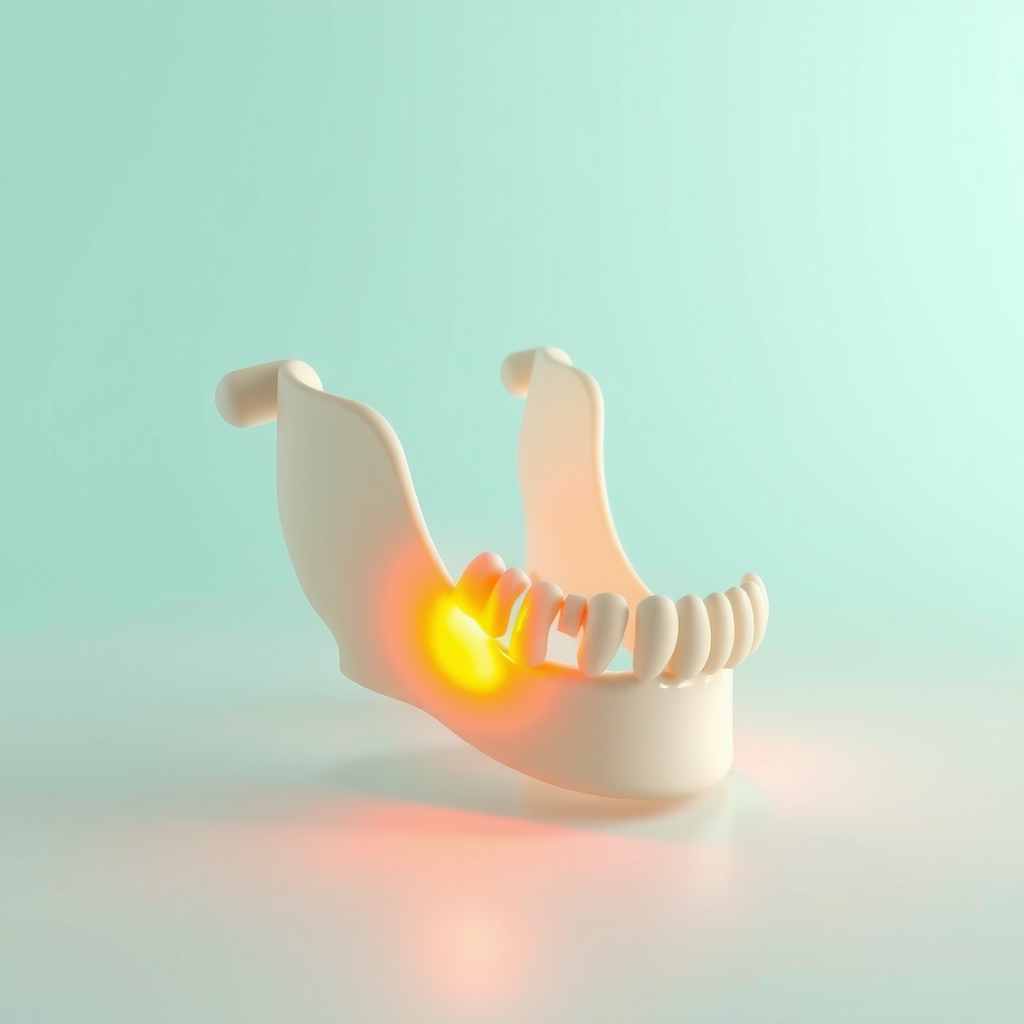
TMJ disorder does not look the same for everyone, but certain symptoms tend to appear together.
- Pain or tenderness in the jaw, face, or around the ears
- Clicking, popping, or grating sounds when opening or closing the mouth
- Difficulty or discomfort while chewing
- Jaw locking or getting stuck in an open or closed position
- Frequent headaches, particularly near the temples
- Neck and shoulder stiffness
- A change in how your upper and lower teeth fit together
How TMJ Disorder Is Diagnosed
A dentist will usually start with a physical examination, checking your jaw's range of motion, listening for joint sounds, and gently pressing on the jaw muscles to find sore spots. They may also review your bite and ask about habits like grinding, clenching, or nail biting. In some cases, an X-ray or scan may be recommended to get a clearer picture of the joint.
Treatment Options for TMJ Disorder
Treatment depends on how severe the symptoms are and what is causing them. Most cases respond well to conservative, non-surgical approaches first.
Self-Care and Lifestyle Changes
- Eating softer foods for a few days to rest the jaw
- Applying warm or cold compresses to ease muscle tension
- Practising gentle jaw stretches recommended by your dentist
- Being mindful of clenching during the day, especially while working
Dental Treatments
- Night guards or splints: Custom-made devices that reduce grinding and take pressure off the joint during sleep.
- Bite correction: Adjusting an uneven bite or replacing missing teeth to improve jaw alignment.
- Physiotherapy referral: For persistent muscle tension, a physiotherapist can guide targeted jaw exercises.
- Medication: Short-term use of anti-inflammatory medicine for pain relief, as advised by your dentist.
Surgery is rarely needed and is only considered for severe, long-standing cases that do not respond to other treatments.
| Treatment | Typical Range (INR) |
|---|---|
| Consultation and examination | Typical range 500 to 1,500 |
| Custom night guard or splint | Typical range 3,500 to 9,000 |
| Bite adjustment | Typical range 1,500 to 5,000 |
These figures are indicative only. Actual costs depend on the severity of your condition and the treatment plan your dentist recommends.
When to See a Dentist
Occasional jaw clicking without pain often does not need treatment. However, you should book an appointment if you notice any of the following.
- Jaw pain that lasts more than a week
- Your jaw locks, gets stuck, or clicks with pain
- Frequent headaches or ear pain with no other clear cause
- Difficulty opening your mouth fully
- Your bite feels different than usual
At Artistree Dental and Cosmetic Clinic in Sector 51, Gurugram, our team takes time to understand the root cause of your jaw pain before recommending treatment. Early evaluation often means simpler, more comfortable solutions.
Have questions about your teeth?
Artistree Dental and Cosmetic Clinic · Shop No 2, B Block Market, Mayfield Garden, Sector 51
Frequently asked questions
Is jaw clicking always a sign of TMJ disorder?
Not always. Many people have occasional jaw clicking with no pain, which usually needs no treatment. If clicking comes with pain, locking, or difficulty chewing, it is worth getting checked.
Can TMJ disorder go away on its own?
Mild cases often improve with rest, soft food, and self-care habits. Persistent or worsening symptoms usually need a dentist's evaluation and a proper treatment plan.
Does TMJ disorder cause headaches?
Yes, many patients with TMJ disorder experience tension-type headaches or pain around the temples, especially after waking up or after chewing hard foods.
When should I see a dentist for jaw pain?
See a dentist if jaw pain lasts more than a week, your jaw locks or gets stuck, you have frequent headaches, or you notice your bite feels different.
Treatment costs mentioned on this page are indicative ranges for the Gurugram region. Your exact cost depends on your case and will be confirmed after a clinical examination at the clinic.